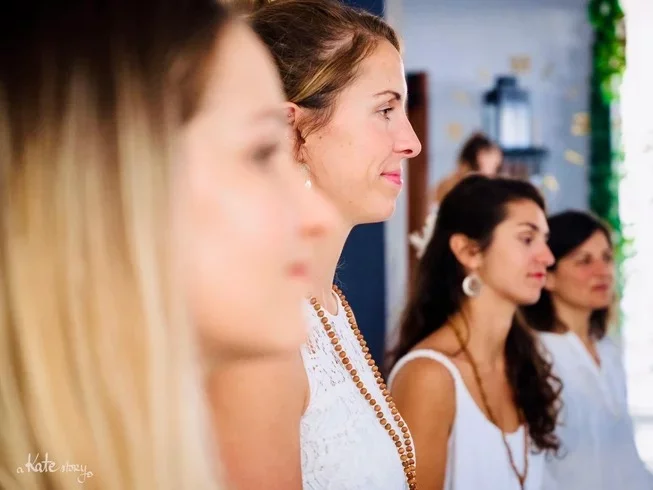
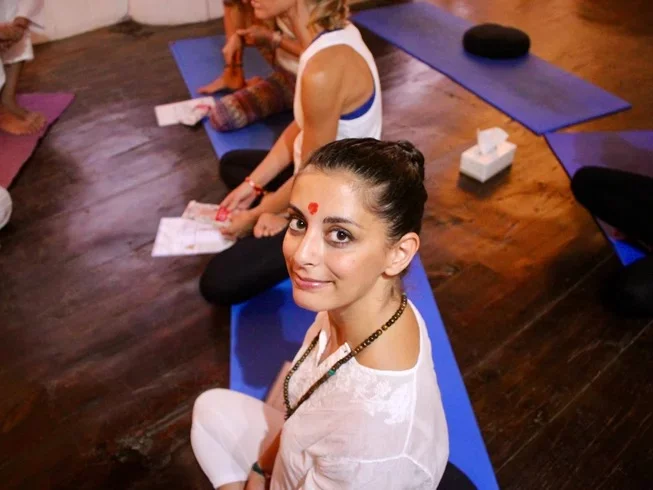
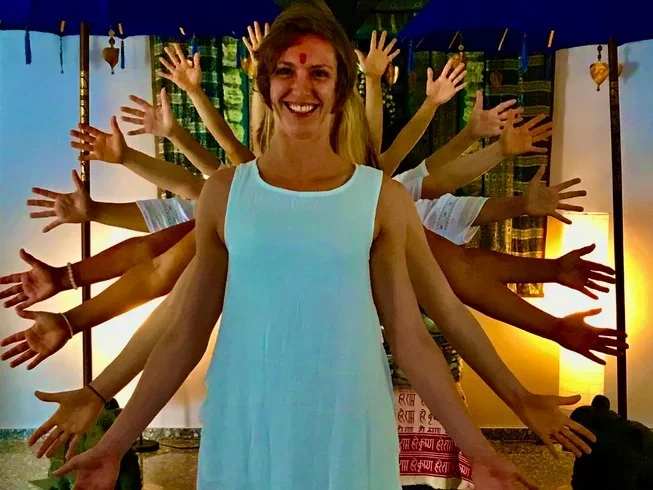

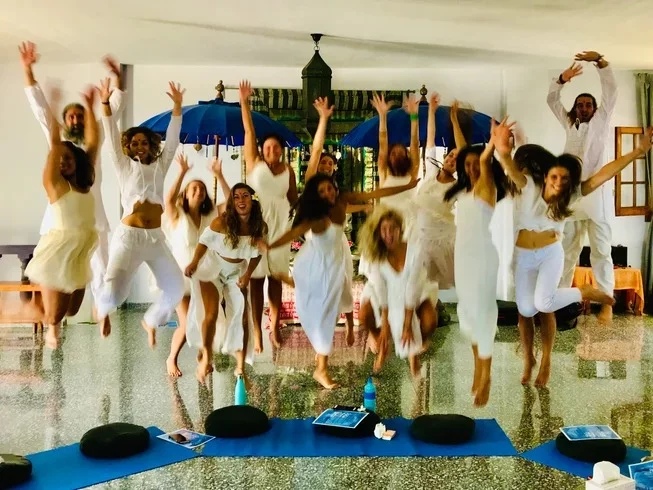
250-Hour Hybrid 2 in 1: 200-Hour Online Hatha and Vinyasa and 7-Day 50-Hour Residential Yin Yoga Teacher Training in Tenerife, Spain
Gayatri Yoga, 41 Camino Pico Bermejo, Tejina, Tenerife, Spain
Yoga
Become a certified Hatha and Vinyasa yoga teacher.
Hybrid Hatha and Vinyasa Yoga Teacher Training in Tenerife
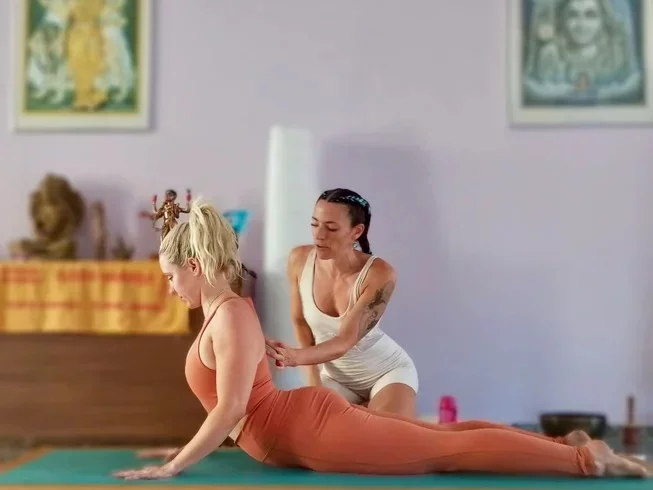
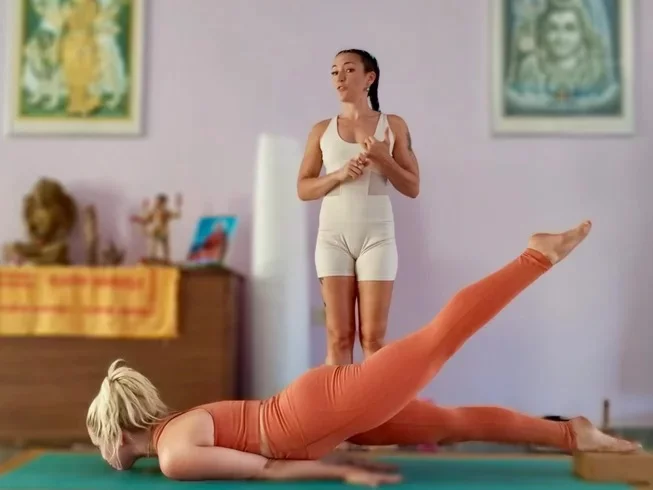
If you are looking for a hybrid 2 in 1 option to make your studies more complete, this is your course. You can complete your 200-hour Hatha and Vinyasa yoga teacher training online, at your own pace and without pressure over 6 months, and then go to Tenerife for the practical therapeutic in-person part of the Yin yoga teacher training course. This way, you will become a certified Hatha and Vinyasa yoga teacher and also receive training in Yin yoga, deepening your understanding of the therapeutic aspects of teaching. This is especially valuable because you will learn how to adapt the practice to your students’ needs.
Meet the instructors

Agata Wasko
In 2020, Agata completed her first Hatha Yoga Teacher Training in Mysore, India, followed a few months later by a Yin Yoga Teacher Training course. The following year, she began teaching Prenatal and Postnatal yoga at a studio in Berlin. Later in 2021, she left Europe to continue her journey in Mexico and subsequently Sri Lanka, where she further developed her yoga teaching experience. In 2023, she returned to India to pursue advanced training in Ashtanga Vinyasa yoga, alongside studies in Ayurvedic massage and panchakarma therapy. In 2024, Agata settled in Tenerife, where she founded her own yoga school, Espacio Kala. She now also collaborates with and supports the team at Gayatri Yoga.
Maya Vogt
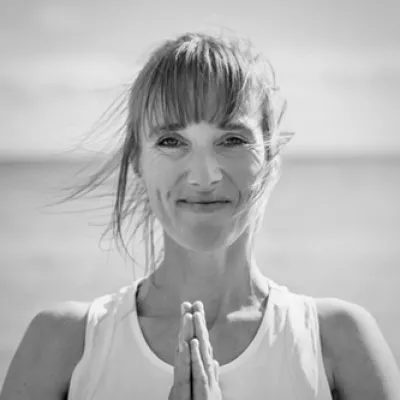
Maya’s yoga path began in her teens and deepened into a professional calling in 2021, when she completed herfirst yoga teacher training. In 2022 she did another yoga teacher training in Hatha and Vinyasa yoga, since then she has immersed herself to deepen her studies and practice. In 2024 she traveled to India for her Advanced Yoga Teacher Training in Ashtanga Vinyasa and Vinyasa Flow Teacher Training Course, followed by a Yin Yoga Teacher Training. Her teaching blends a rooted asana alignment with mindful presence, breathwork and meditation. Teaching with clarity and the attention to each student’s needs make her classes well rounded. Her experience, positive and supportive energy encourages openness and steady growth on the mat and beyond.

Federica Busco
Federica completed her first Hatha and Vinyasa Yoga Teacher Training in 2021. Combining her work as a yoga instructor and massage therapist, she has continued to expand her knowledge through further studies in Yin yoga and Somatic yoga. Her exploration of anatomy, Acroyoga, and inversions brings a sense of curiosity, playfulness, and joy to both her personal practice and teaching. She is passionate about guiding others toward a deeper awareness of their bodies, helping them develop a more mindful and loving relationship with themselves and create a sense of comfort, balance, and harmony within.
Highlights
- Meditation and pranayama sessions
- Hatha, Vinyasa, and Yin yoga sessions
- 7 days of residential training in Yin yoga
- Eligible to register with Yoga Alliance upon completion
- 200-hour online training in Hatha and Vinyasa yoga over 6 months
- Vegetarian meals, with ingredients provided by the school and cooked by the students in the training
- Receive 2 certificates: 200-hour Hatha and Vinyasa and 50-hour Yin yoga teacher training
- 6 nights accommodation included during the residential training
- Vegetarian meals, cooked by the students in the training
Yoga styles
- Vinyasa Yoga
- Yin Yoga
- Hatha Yoga
- Ashtanga Yoga
Skill level
- Beginner
- Intermediate
- Advanced
6 days with instruction in English
Staff also speaks English
Average daily hours of activity: 8.50
Accommodation
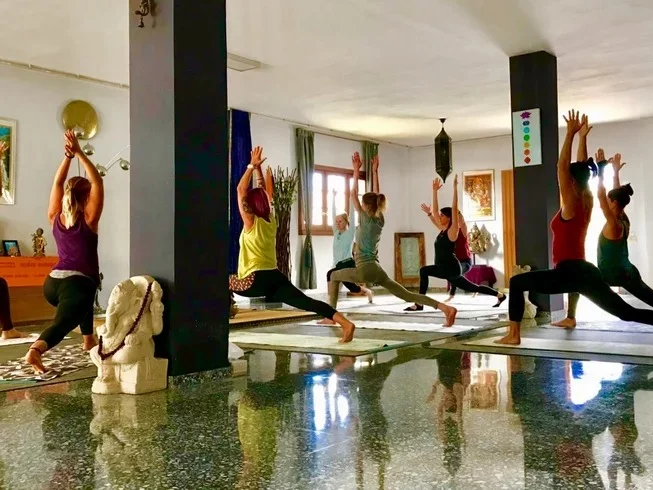
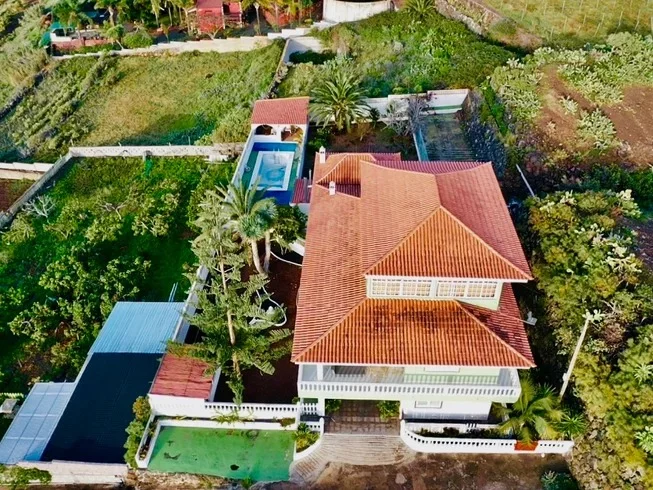
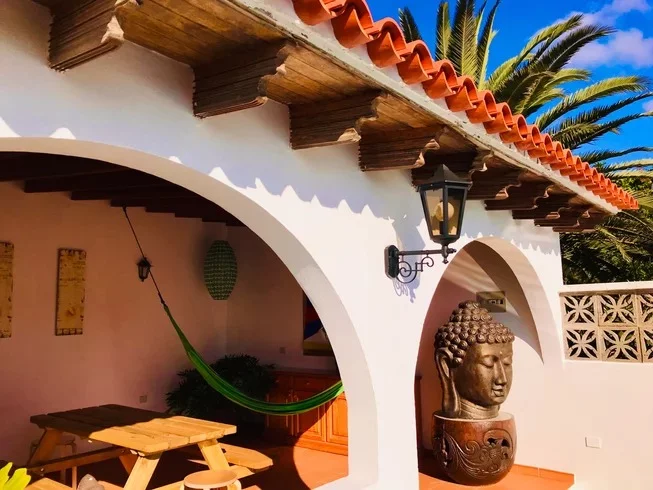
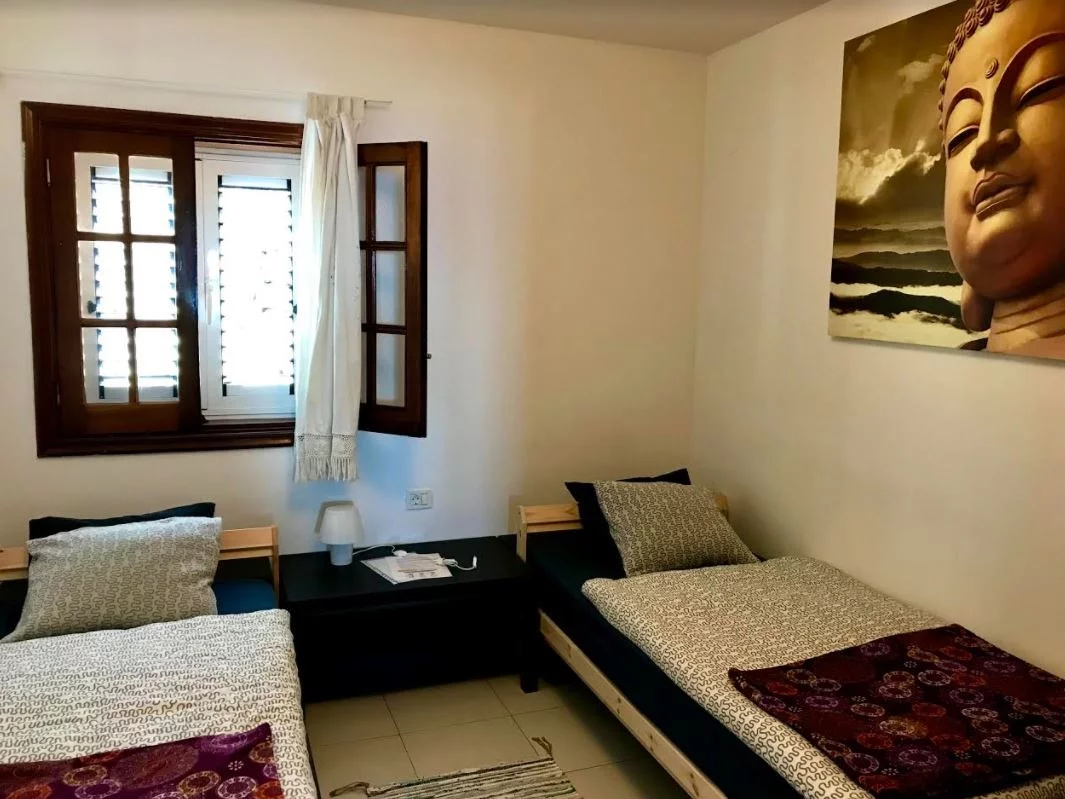
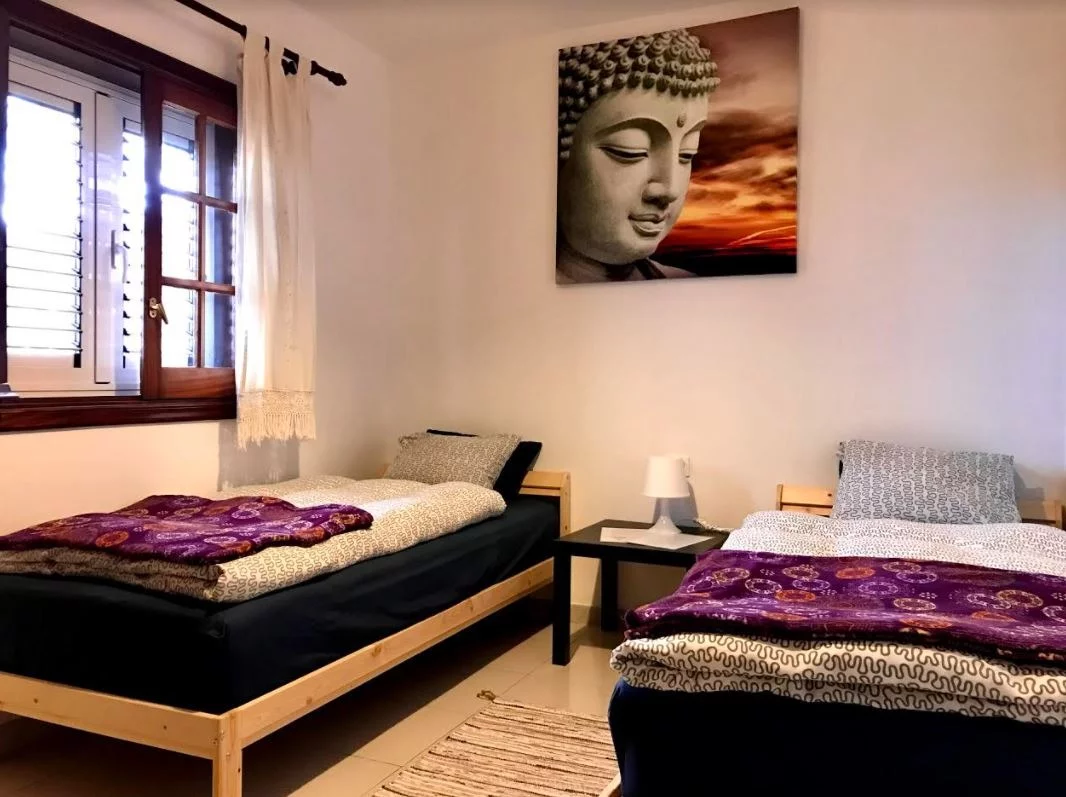
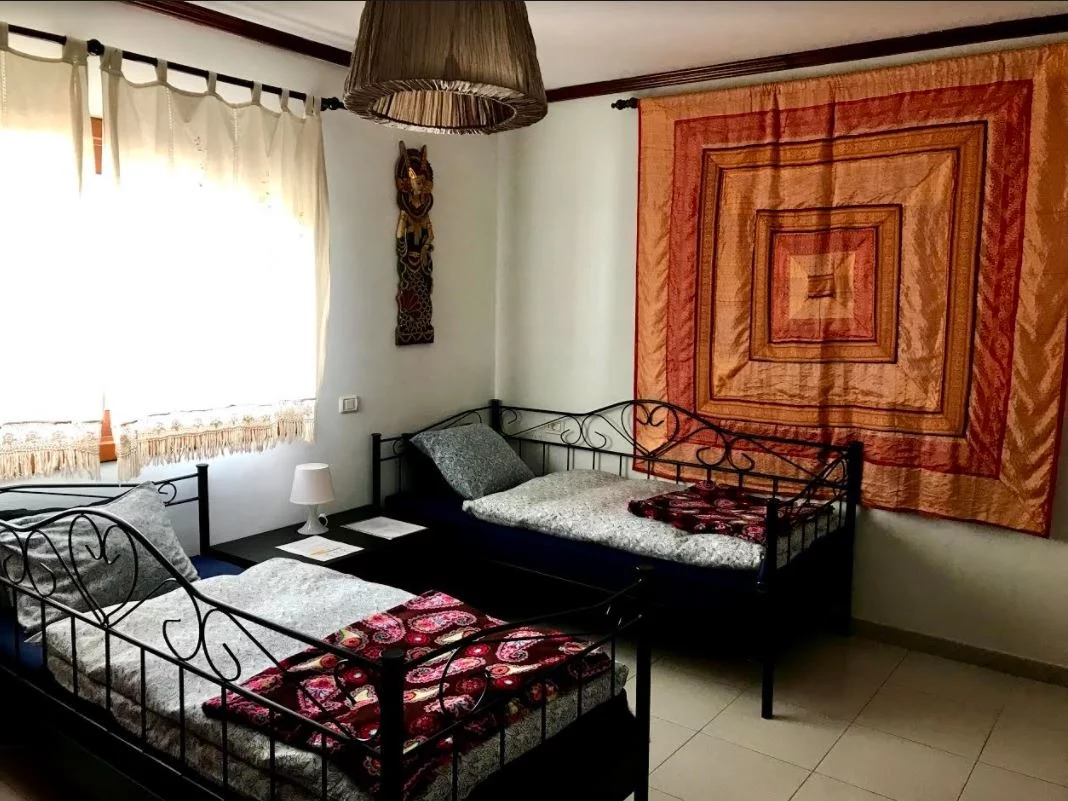
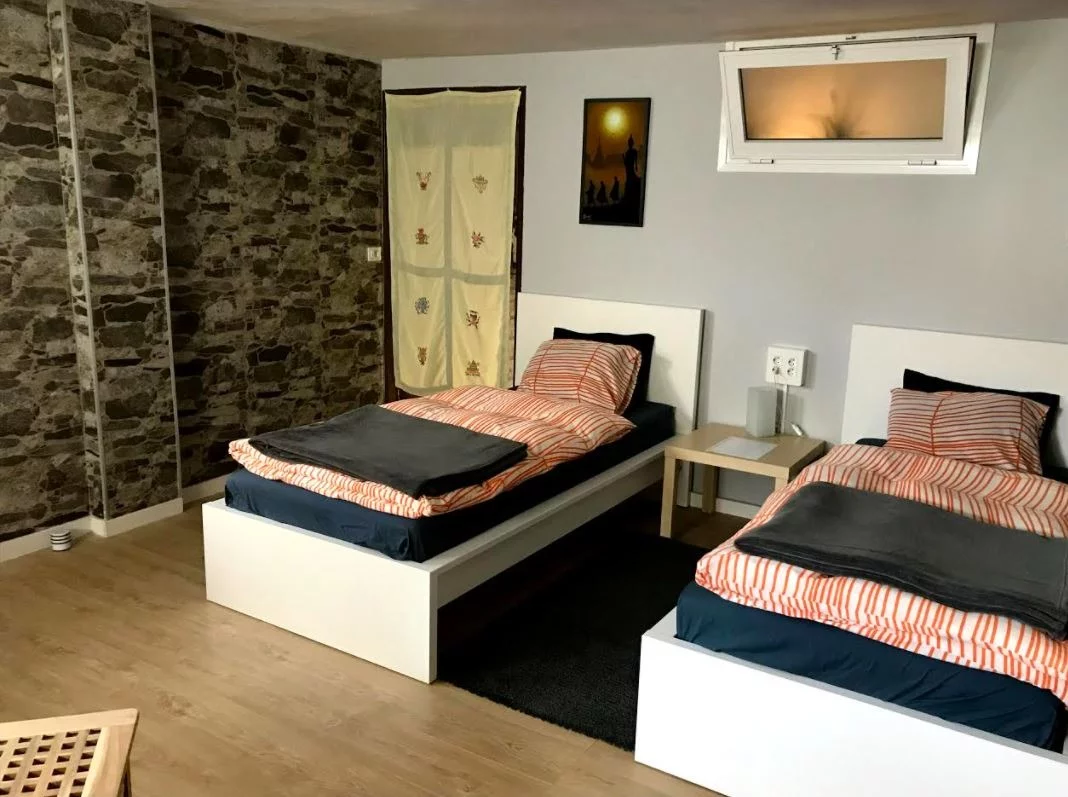
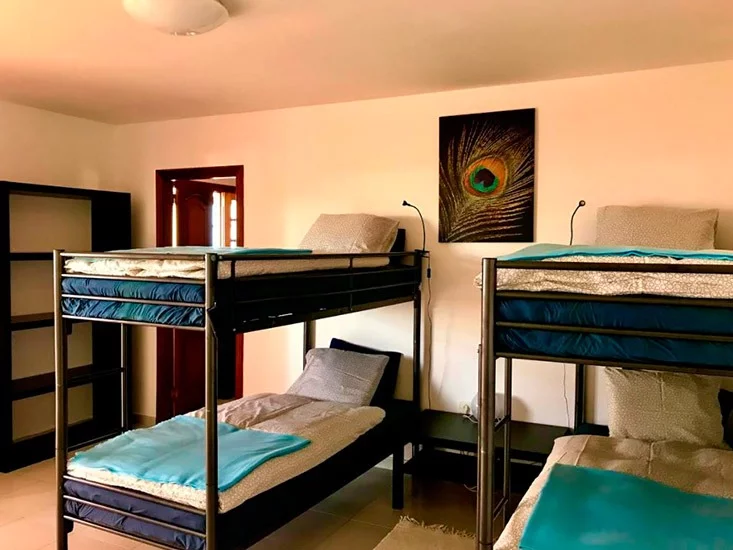
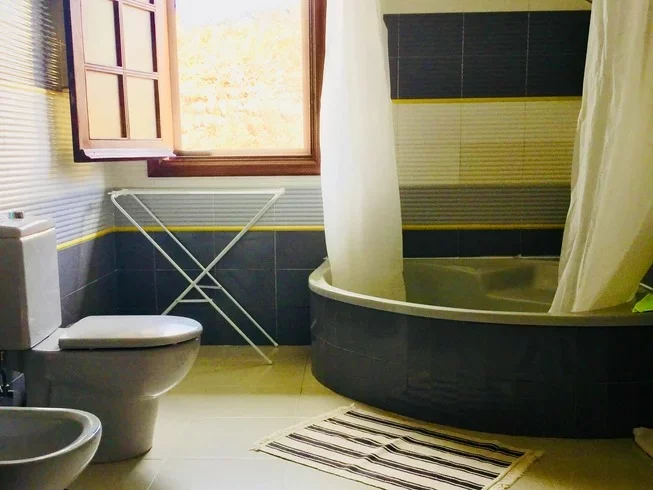
The school and its rooms have an Indian-inspired feel, and the bathrooms come with a shower, toilet, and washing machine. Guests can enjoy a swimming pool, gardens, chill-out areas, terraces, and free Wi-Fi.
Gayatri Yoga is a yoga school, not a hotel, with room for only 12 students. For this reason, the school values mindful students who know what they are signing up for and see themselves as part of the group and the school community. While Gayatri cannot meet every personal request, the team always does its very best.
Next door there is a guesthouse with five cozy private rooms, where students who prefer more privacy can stay during the training.
Food
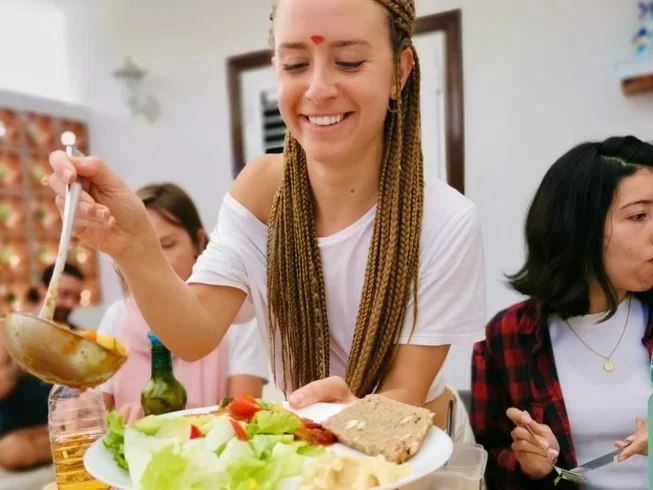
Since everyone has different eating habits, allergies, and food intolerances, during the residential training, students are free to use the school kitchen to prepare vegetarian breakfasts, lunches, dinners, and snacks to suit their own tastes. Usually, students form kitchen teams and cook dishes from around the world together, having plenty of fun along the way. This means no one has to cook every day, as each team typically cooks only twice a week. Those who prefer more privacy are welcome to prepare meals just for themselves. Working side by side in the spirit of Karma yoga brings the group closer and creates a sense of unity throughout the training.
The school provides a wide range of groceries, with plenty of fruit and vegetables available all day. No student has ever gone hungry or left unhappy, and there is really no need to buy anything extra or spend money on food, as the school kitchen is always open to students. Individual requests cannot always be accommodated, but a supermarket close to the school is available for anyone who wants their favorite personal snacks. Please note that the following items are not permitted at the school, as they are not part of the yogic diet: meat, fish, seafood, eggs, garlic, onion, coffee, alcohol and tobacco.
Meals included
- Breakfast
- Dinner
- Drinks
- Lunch
- Snacks
Food types
- Gluten Free Food
- Lactose-free Food
- Vegetarian Food
- Vegan Food
- Yogic Diet Food
Program
Pre-Application Requirements
No previous yoga certification is required to enroll in this training. You will need access to a computer and a reliable internet connection, along with a few basic yoga props: a yoga mat, meditation cushion, blanket, two yoga blocks, and a yoga strap.
Certification
Upon successful completion of the program, you will be awarded two certificates:
200-Hour Hatha and Vinyasa Yoga Certificate – Required for registration with Yoga Alliance
50-Hour Yin Yoga Certificate – To dive into the holistic and therapeutic aspects of yoga
How the Online Training Works
Having six months to complete the online portion of the training offers plenty of flexibility. You can work through the Hatha and Vinyasa modules at a pace that suits your schedule, without feeling rushed or pressured. This format is particularly helpful for students who may find it challenging to follow intensive lessons or study entirely in English.
At the same time, you will still benefit from direct interaction with the classroom environment and experienced instructors, who will personally guide you throughout the Yin yoga teacher training.
Once you have registered for this training, you can begin accessing the online materials immediately. You will have up to six months to complete the coursework at your convenience. During this period, your progress and understanding will be evaluated through a combination of written and practical assignments to ensure that you achieve the required learning outcomes.
Online Training Examination
The online assessment includes the following components:
Final Exam: A series of quiz questions covering the different subjects and topics explored throughout the course. You can retake the quiz as many times as necessary and complete them at your own pace.
Develop a beginner Hatha yoga class.
Develop an intermediate Vinyasa yoga class.
For the second and third assessments, you need to develop these two class structures on your computer and send them over to the school via email.
Online Course Content
Yoga is a vast subject area with many traditions and styles. The course includes the study of Ashtanga, Raja, Bhakti, Jnana, Kriya, and Karma yoga. It is based on a systematic and progressive learning approach designed to get trainees to teach safely and effectively.
Course Curriculum
Asana, pranayama, mudra and bandhas
1. Meditation and relaxation asanas
Sukhasana / easy cross-legged pose
Swastikasana / auspicious pose
Ardha padmasana / half lotus pose
Padmasana / lotus pose
Dhyana veerasana / heroes meditation pose
Vajrasana / thunderbolt pose
Shavasana / corpse pose
Matsya kridasana / flapping fish pose
Makarasana / crocodile pose
Balasana / childs pose
2. Asanas in supine position
Ardha utthanasana / one raised leg pose
Utthanpadasana / raised leg pose
Ardha chakrasana / rotation with one leg
Chakra padasana / leg rotation
Ardha pada sanchalanasana / cycling with one leg
Pada sanchalanasana / cycling
Halasana / plough pose
Druta halasana / dynamic plough pose
Ardha pawanmuktasana / half wind release pose
Pawanmuktasana / wind release pose
Jhulana lurhakanasana / rocking and rolling
Supta udarakarshanasana / sleeping abdominal stretch pose
Shava udarkarshanasana / universal spinal twist
Naukasana / boat pose
Ardha chakrasana / shoulder bridge pose
Matsyasana / fish pose
Chakrasana / wheel pose
3. Asanas in prone position
Saral bhujangasana / the sphinx
Sarpasana / snake pose
Bhujangasana / cobra pose
Tiryaka bhujangasana / twisting cobra pose
Ardha shalabhasana / half locust pose
Shalabhasana / locust pose
Dhanurasana / bow
4. Asanas in sitting position
Chakki chalanasana / churning the mill
Nauka sanchalanasana / rowing the boat
Setu asana / bridge pose
Saithalyasana / animal relaxation posture
Paschimottanasana / back stretching pose
Ardha paschimottanasana / head to knee pose
Meru wakrasana / spinal twist
Ardha matsyendrasana / lord of the fishes pose
Bhu namanasana /spinal twist prostration pos
Parivritti janu asana / spiralled head to knee pose
Erudandasana / spinal column pose
Gomukhasana / cows face pose
Marjari asana / cat stretch pose
Vyaghrasana / tiger pose
Shashankasana / hare pose
Shashank bhujangasana / striking cobra pose
Ashwa sanchalanasana / equestrian pose
Ardha chandrasana / crescent moon pose
Hanumanasana / the split
Ardha ushtrasana / half camel pose
Ushtrasana / camel pose
Supta vajrasana / sleeping thunderbolt pose
Santolanasana / balancing pose
Ardha pincha mayurasana / half feathered peacock pose
Gupta padmasana / hidden lotus pose
Kashtha takshanasana / chopping wood
Namaskarasana / salutation pose
Udarakarshanasana / abdominal stretch pose
Kakasana / crow pose
5. Asanas in standing position
Tadasana / tree pose
Hasta utthanasana / raised arms pose
Padahastasana / hand to toe pose
Utkatasana / chair pose
Tiryaka tadasana / swaying palm tree pose
Kati chakrasana / waist rotating pose
Trikonasana I – II / triangle pose
Parivritti trikonasana / revolved triangle pose
Virabhadrasana I – II – III / warrior pose
Eka padasana / one foot pose
Moordhasana / crown based pose
Sirsha angusta yogasana / head to toes pose
Eka pada pranamasana / one legged prayer pose
Garudasana / eagle pose
Natarajasana / lord shivas pose
6. Inverted asanas
Vipareeta karani / preparatory movement for shoulder stand
Sarvangasana / shoulder stand
Padma sarvangasana / shoulder stand in lotus pose
Sirshasana / headstand
Salamba sirshasana / supported headstand
7. Bandha
Jalandhara bandha / throat lock
Uddiyana bandha / abdominal lock
Moola bandha / pelvic lock
Maha bandha / the great lock
8. Pranayama
Natural breathing
Abdominal breathing
Thoracic breathing
Clavicular breathing
Yogic breathing
Ujjayi / the psychic breath
Bhramari / humming bee breath
Surya Bheda / vitality-stimulating breath
Anuloma viloma / alternate nostril breathing
Sheetali / cooling breath
Sheetkari / hissing breath
Bhastrika / bellows breath
Kapalbhati / frontal brain cleansing breath
Theoretical lessons you will learn about
1. Philosophy and yogic lifestyle
Ashtanga yoga and the Yoga Sutras of Patanjali (theoretical lesson)
What is asana according to Patanjali or Ashtanga yoga (theoretical lesson)
The Vedas, Upanishads, Tantras, Bhagavad Gita, Upanishads, and Hatha Yoga Pradipika (theoretical lesson)
2. Techniques, training, and practice
The safe practice of asana and pranayama (theoretical and guided lessons)
Benefits and contraindications of asanas (theoretical lesson)
Asana-specific poses (guided lessons)
Structure of a beginner asana class (theoretical and guided lessons)
Structure of an intermediate asana class (theoretical and guided lessons)
Teaching lessons (practical lesson)
Restorative yoga classes (theoretical lesson)
The meaning of pranayama (theoretical and guided lessons)
The different techniques of pranayama (theoretical and guided lessons)
What is meditation? (theoretical and guided lessons)
How to meditate or how to get started (theoretical lesson)
Meditation techniques (guided lesson)
Mudras (theoretical and guided lessons)
Bhakti yoga (theoretical and practical lessons)
Bandhas (theoretical and practical lessons)
The pranic body (theoretical lesson)
Koshas - chakras - nadis - marma points (theoretical lesson)
Ayurveda (theoretical lesson)
3. Anatomy and physiology
Bone (theoretical lesson)
Joints (theoretical lesson)
Tendons and ligaments (theoretical lesson)
Muscles and types of muscle contraction (theoretical lesson)
The nervous system (theoretical lesson)
The circulatory, endocrine, and digestive systems (theoretical lesson)
The respiratory system (theoretical lesson)
Residential In-Person Yin Yoga Teacher Training
What you can expect to learn about Yin yoga
Understanding the theory and practice of Yin yoga, including its emphasis on long-held poses and targeting connective tissues
Core principles of the Meridians according to Traditional Chinese Medicine (TCM)
Exploring how the Meridians are related to Yin yoga postures
Anatomy
Learning about the fascia and how Yin yoga affects the body
Connective tissues and fascia
Ligaments and tendons
Collagen and elastin
Ground substance and contracture
Teaching methodology
Developing skills to guide and instruct others in Yin yoga, including sequencing, modifications, and verbal cues
Variations and modifications according to Yin yoga principles
The study of how to adapt poses for different body types and levels of experience
How to use props in the correct way
Personal practice
Deepening one's own Yin yoga practice through guided sessions and self-study
Meditation and mindfulness
Integrating mindfulness and meditative practices into Yin Yoga
History and philosophy of Yin yoga
Origin, development, and purpose of Yin yoga
Understanding the concepts of Yin and Yang
General knowledge of Qi
Correct transitions
The right way of breathing in each pose
Functional alignments of each pose
Right duration of hold for each pose
Physical and energetic benefits
Benefits and contraindications of all poses
Purpose of props, the right use and placement of props
Teaching techniques for Yin yoga
How to give proper and efficient instructions and guidance
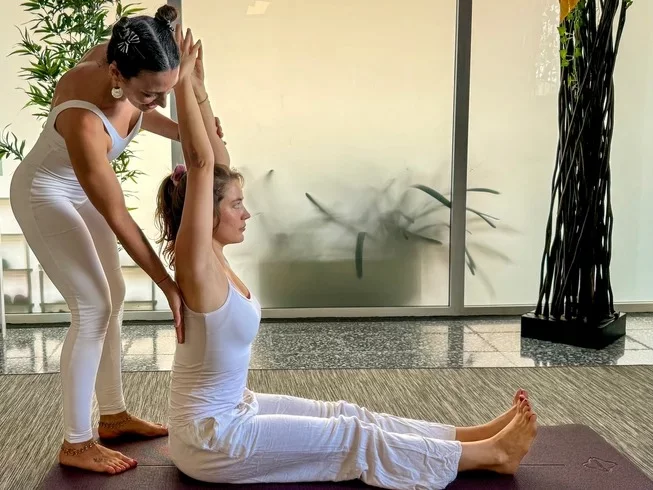
How to give proper hands-on assists and corrections
How to adjust the voice during teaching
How to communicate simply, clearly, and effectively
How to adjust poses to each student according to limitations
How to structure and customize Yin Yoga classes
Teach your own class to the other students
Inspirations for theme classes and sequencing
You will receive the ''Gayatri Yin Yoga Course Manual'' by Radhika P.K.K. for your training.
Daily Schedule for the Residential Yin Yoga Training
The order of the classes can change throughout the course. Hours, content, and classes of the syllabus will remain the same.
06:30 - 07:30 Morning tea and antar mouna
07:30 - 07:45 Meditation
07:45 - 08:00 Pranayama
08:00 - 09:00 Yin yoga class
09:30 - 10:00 Breakfast
10:00 - 11:30 Theory on Yin yoga
11:30 - 13:00 Alignment and Sequencing Workshop
13:00 - 15:00 Lunch - Karma yoga - Self study
15:00 - 16:30 Theory on Yin yoga
16:30 - 18:00 Alignment and Sequencing Workshop
18:00 - 19:00 Yin yoga class
19:00 - 20:30 Dinner and Karma yoga
20:30 - 22:00 Self study
22:00 - 06:00 Bedtime
Activities
Included
- 200-hour online Hatha and Vinyasa yoga teacher training program
- 50-hour residential in-person Yin yoga teacher training program
What's included
Included
- 200-hour online Hatha and Vinyasa yoga teacher training course
- 7 days of in-person Yin yoga teacher training
- 2 certificates upon completion, eligible to register with Yoga Alliance
- Daily Yin yoga classes during in-person training
- Meditation, pranayama and other traditional techniques
- Study of anatomy
- Philosophy and ethics
- Teaching methodology and practicum
- Course book
- Daily relaxing sunny pool breaks
- 6 nights accommodation during the residential in-person Yin yoga teacher training
- Access to school kitchen and ingredients during the residential training
- Daily vegetarian meals during the residential training, cooked by the students
Not included
- Airfare
- Airport transfers
- Additional activities
- Personal expenses
- Travel and health insurance
Availability
The duration and dates listed are only for the 7-day residential in-person training. The online training can be concluded before / after the in-person training starts.
Important information
What to bring
For hygiene reasons Gayatri Yoga recommends that you bring your own yoga mat. They also provide mats, pillows, belts and blankets. In case you want to use their mats, you need to bring a proper yogi towel for hygiene reasons.
Internet access
There is free internet access available in the school. Please use the internet and phones as minimally as possible during your stay. Inform your relatives and friends that you are in a yoga teacher training and put an auto-response on your email.
Retreat location
Open in Google MapsGayatri Yoga, 41 Camino Pico Bermejo, Tejina, Tenerife, Spain
Tejina is a coastal agricultural town in the northern municipality of San Cristóbal de La Laguna, Tenerife. Because it sits in the north of the island, its seasonal rhythm combines a mild subtropical baseline with greener landscapes, refreshing trade winds, and deep-rooted local traditions.
Tenerife is the largest of the seven Canary Islands, located in the center of the archipelago between Gran Canaria, La Gomera, and La Palma. The island lies just over 300 km from the African coast and around 1,300 km from mainland Spain. Covering 2,034 sq km, it has a distinctive triangular shape, with the mighty Pico del Teide rising at its center to 3,718 meters, the highest point in Spain.
How to get there
If you arrive at Tenerife South Airport (TFS / Reina Sofia), you will need to catch the direct bus 343 to Tenerife North Airport (TFN). You can also catch the direct bus 10 to Santa Cruz and from there, take a taxi to the school in Tejina.
The taxi fare from Tenerife North Airport (TFN) to the school will cost you no more than 20 EUR. The taxi fare from Santa Cruz will cost around 35 EUR.
Getting there
Nearest airports:
- Tenerife Norte-Ciudad de La Laguna Airport (TFN) · 5 km away
- Tenerife Sur Airport (TFS) · 58 km away
Reviews
No reviews yet — be the first to share your experience after your stay.
Send Inquiry
250-Hour Hybrid 2 in 1: 200-Hour Online Hatha and Vinyasa and 7-Day 50-Hour Residential Yin Yoga Teacher Training in Tenerife, Spain